
|3.615Mins Read
AI Song Generator for Digital Media: How Creators Make Custom Soundtracks Faster
- Authors
- Name
- Geeks Kai
- @KaiGeeks
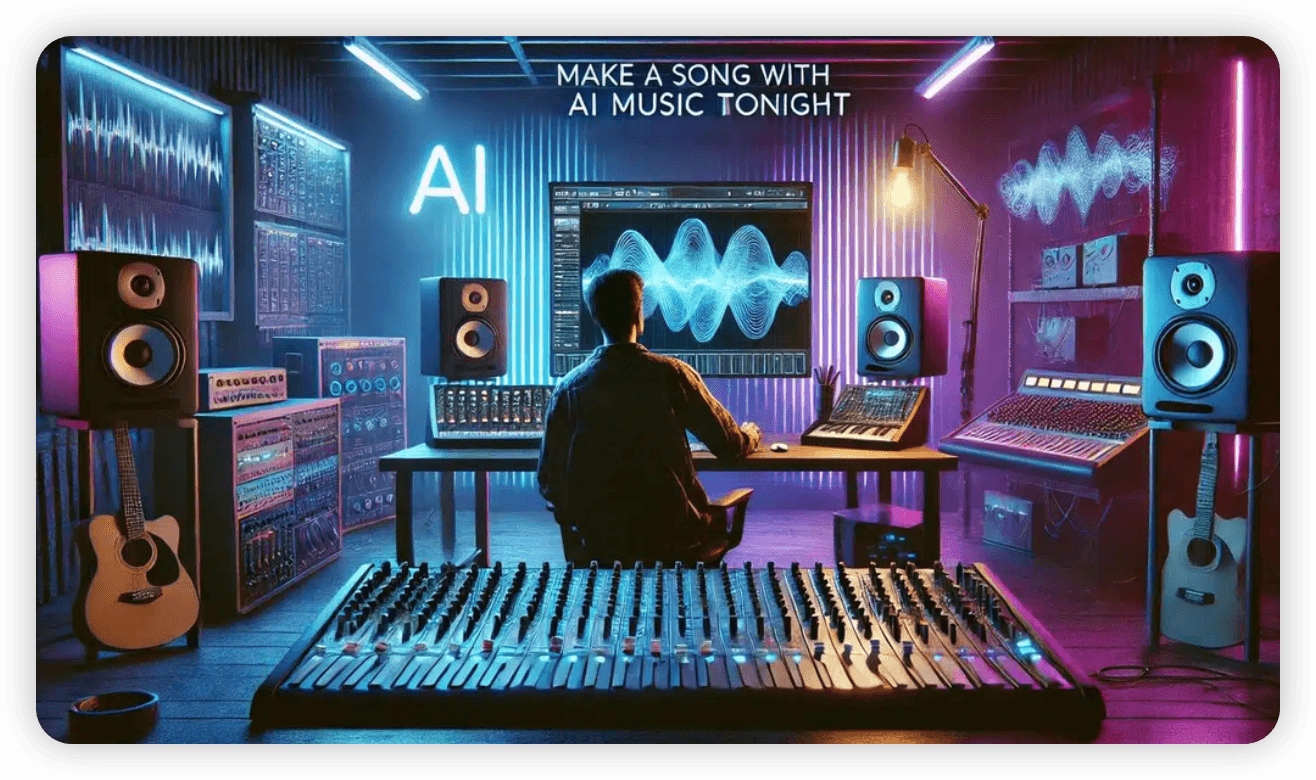
For the tech-savvy audience at GeeksKai, modern AI music is no longer about simple MIDI sequences. Early computer-generated music often sounded sterile because it lacked the subtle timing, timbre, and dynamic variation that make audio feel human. Modern AI music tools often use deep learning methods to interpret genre, rhythm, mood, and instrumentation from text prompts. Instead of simply matching a user with an existing track, they generate new audio based on the creative direction provided. This makes the workflow feel closer to directing a virtual composer than browsing a static stock library. As platforms such as Suno, Udio, Mureka, and Tunee bring AI-generated music into mainstream creator workflows, Songin.ai fits the low-friction side of the category by helping users move from prompt to custom soundtrack draft quickly.
The digital economy moves faster than traditional music production. Whether you are a solo developer working on a Steam title or a marketing lead preparing a product launch, sourcing audio can slow the entire project. Copyright and licensing are often the first challenge. Stock music may still involve attribution rules, commercial-use limits, or platform restrictions. Many AI music platforms simplify this process by generating original tracks and offering clearer usage terms than traditional stock libraries. Budget is another issue. Custom composition can be expensive, especially for small teams that need multiple tracks for trailers, tutorials, ads, game levels, and social media edits. AI music generation makes it easier to test several directions before committing to a final sound. Creative alignment matters too. A stock track may be close, but not quite match the emotional arc of a 72-second product demo or a cinematic game teaser. With prompt-based generation, creators can describe BPM, mood, instrumentation, and intensity so the music fits the content instead of forcing the content to fit the track.
For creators, the answer is increasingly yes. Instead of choosing from a fixed catalog, an AI song generator lets you create your own song around a specific scene, product launch, game level, or campaign mood. This is why custom song AI tools are becoming useful for digital media teams: they turn a plain-language prompt into a soundtrack draft that can be refined by mood, genre, tempo, and instrumentation. This workflow also gives non-musicians more control. A marketer does not need to understand music theory to request an uplifting electronic track for a SaaS launch video. A game developer can ask for dark ambient tension for a boss level. A YouTuber can generate background music that supports the pacing of a tutorial without sounding like a reused stock track.
The shift toward AI-assisted creation does not replace the artist; it gives creators a more direct way to shape sound. The quality of the output depends heavily on the clarity of the prompt. A weak prompt might be: Make a futuristic song. A stronger prompt would be: A cinematic cyberpunk synthwave track at medium tempo, with pulsing analog bass, shimmering pads, and a tense but hopeful mood for a sci-fi product trailer. This kind of prompt gives the AI more useful direction. Genre defines the sound world, mood guides the emotional tone, tempo controls pacing, and instrumentation shapes the texture. The more specific the creative brief, the easier it becomes to generate music that supports the project.
As digital media becomes more immersive, the demand for unique, high-quality audio will keep growing. Video, games, podcasts, social media, and interactive web experiences all need music that feels intentional rather than generic. AI song generators are becoming part of the modern creative tech stack because they reduce friction between idea and execution. They help creators test sound quickly, avoid overused stock tracks, and build audio around the emotional needs of each project. The future of sound will not be defined by automation alone. It will be shaped by creators who know how to guide intelligent tools with taste, context, and intent. For digital media teams, that means custom music is no longer a luxury reserved for large budgets. It is becoming a practical part of everyday production.