
|8.24Mins Read
Eye Health Tips for VSP Blog: 2025 Ideas
- Authors

- Name
- Geeks Kai
- @KaiGeeks
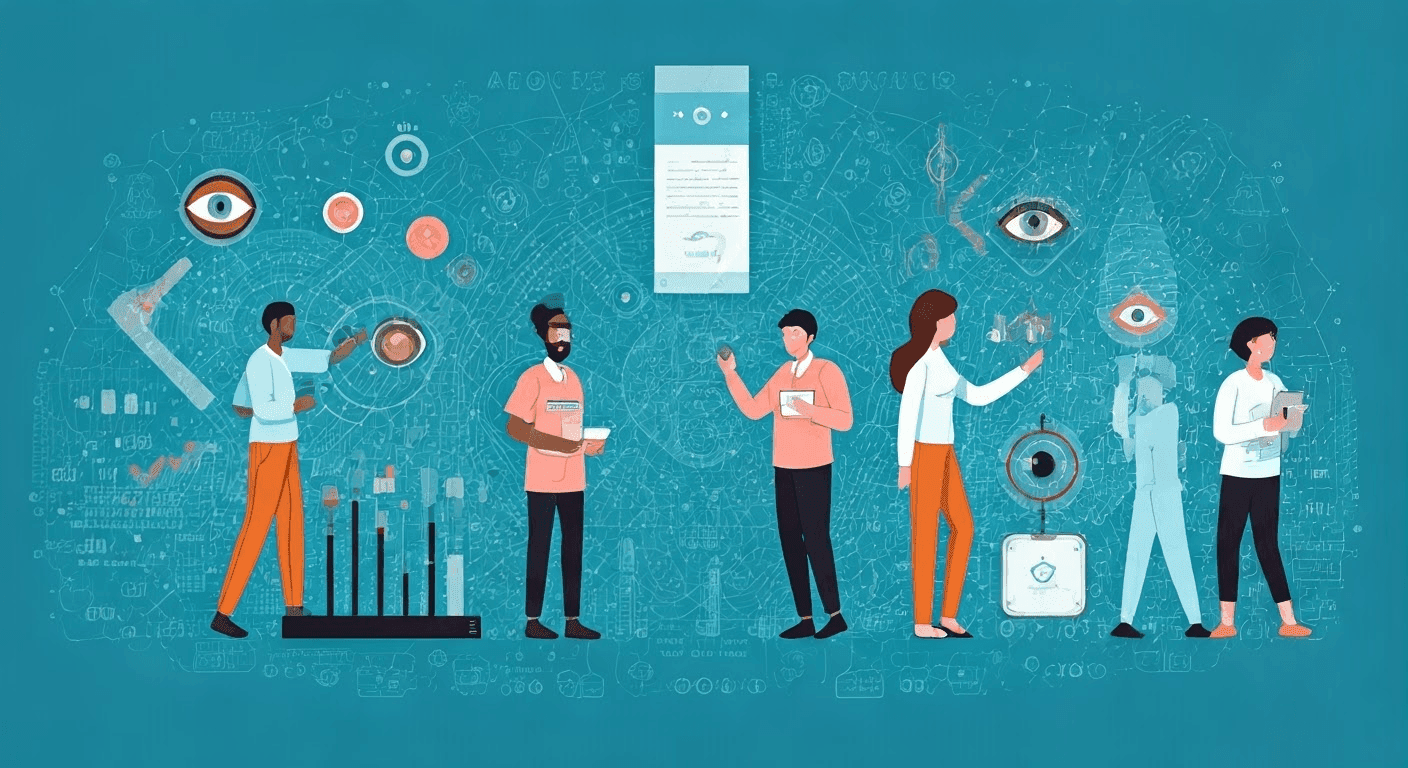
Your eyes are pulling double shifts in 2025. Between endless Zoom calls, late-night Netflix binges, and that TikTok rabbit hole you fell into last Tuesday, your vision is working harder than a startup founder during funding season.
Here's the thing: most people treat their eyes like they're indestructible. Spoiler alert—they're not. But with the right approach, you can keep your vision sharp, comfortable, and ready for whatever the digital world throws at you.
We're living in the most visually demanding era in human history. Your great-grandparents might've strained their eyes reading by candlelight, but you're dealing with blue light bombardment from multiple screens, air pollution, and lifestyle factors that previous generations never faced.
The stats don't lie: digital eye strain affects over 60% of adults who use computers regularly. That's not just discomfort—it's your eyes sending an SOS signal.
Let's be honest about your screen habits. The average person now spends over 7 hours daily looking at digital displays. That's more time than you spend sleeping. Your eyes weren't designed for this marathon, and they're starting to show the wear.
But here's where it gets interesting: the solution isn't going full Luddite and throwing your devices in a drawer. It's about working smarter, not harder.
Think of eye exams like oil changes for your car—skip them, and you're asking for trouble down the road. But unlike your car, you can't just trade in your eyes when they break down.
A proper eye exam isn't just reading letters off a chart (though that's part of it). Your eye doctor is running diagnostics on:
The cool part? Many eye diseases are silent until they're advanced. Your eye doctor can spot diabetes, high blood pressure, and even brain tumors during a routine exam. It's like having a crystal ball for your health.
| Age Group | Recommended Frequency | Why It Matters |
|---|---|---|
| 18-39 years | Every 2-3 years | Establishing baseline, catching early issues |
| 40-54 years | Every 1-2 years | Presbyopia onset, increased disease risk |
| 55+ years | Annually | Higher risk for cataracts, glaucoma, macular degeneration |
| High-risk individuals | Every 6-12 months | Diabetes, family history, previous eye injuries |
Your eyes weren't built for the digital age, but you can train them to handle it better. Digital eye strain isn't just about tired eyes—it's a constellation of symptoms that can mess with your productivity and comfort.
Every 20 minutes, look at something 20 feet away for 20 seconds. Sounds simple, right? That's because it is. This micro-break gives your focusing muscles a chance to relax and your blink rate to normalize.
Pro tip: Set a phone reminder. Your future self will thank you when you're not rubbing your eyes at 3 PM wondering why everything looks blurry.
Your monitor position matters more than you think. Here's the setup that eye doctors actually recommend:
When you're focused on a screen, your blink rate drops by up to 60%. That's like running your car without oil—things get dry and uncomfortable fast. Make conscious blinking part of your screen routine, or use preservative-free artificial tears to keep things lubricated.
Your eyes are basically extensions of your brain, and like your brain, they need premium fuel to function optimally. The right nutrients can literally help you see better and protect against age-related decline.
| Nutrient | Best Sources | What It Does |
|---|---|---|
| Lutein & Zeaxanthin | Spinach, kale, eggs | Acts like natural sunglasses for your retina |
| Omega-3 fatty acids | Salmon, walnuts, flaxseed | Reduces inflammation, supports tear production |
| Vitamin C | Citrus fruits, bell peppers | Antioxidant protection, collagen support |
| Vitamin E | Almonds, sunflower seeds | Protects cell membranes from damage |
| Zinc | Oysters, beef, pumpkin seeds | Essential for retinal health and night vision |
Studies consistently show that people following a Mediterranean-style diet have lower rates of age-related macular degeneration. We're talking about a diet rich in fish, olive oil, nuts, and colorful vegetables—basically, food that tastes good and happens to be great for your eyes.
Aging is inevitable, but vision loss doesn't have to be. Understanding what's normal versus what needs attention can help you stay ahead of potential problems.
Presbyopia usually hits around age 40. Suddenly, you're holding your phone at arm's length to read texts. It's not a disease—it's just your lens losing flexibility. Reading glasses, progressive lenses, or multifocal contacts can fix this easily.
Cataracts are like having a dirty windshield in your eye. The good news? Cataract surgery is one of the most successful procedures in medicine, with a 95% success rate and minimal downtime.
Dry eye becomes more common with age, especially for women after menopause. It's not just annoying—severe dry eye can actually damage your cornea. The fix often involves artificial tears, lifestyle changes, or prescription treatments.
Normal aging changes happen gradually and affect both eyes similarly. Red flags include:
If you experience any of these, don't wait for your next scheduled exam. Get checked immediately.
Eye care technology is advancing faster than your smartphone updates. Some of these innovations are already changing how we diagnose and treat eye conditions.
Artificial intelligence can now detect diabetic retinopathy and other conditions from retinal photos with accuracy that rivals human specialists. This means faster diagnosis and treatment, especially in underserved areas.
For the first time in history, we can actually treat some inherited blindness conditions at the genetic level. Luxturna, approved by the FDA, can restore vision in people with specific genetic mutations. It's not science fiction—it's happening now.
You can now get preliminary eye screenings using your smartphone camera. While these don't replace comprehensive exams, they're making eye care more accessible and helping catch problems earlier.
Children's eyes are still developing, making them more vulnerable to digital strain and environmental factors. But with the right approach, you can protect their vision while still letting them enjoy technology.
The American Academy of Pediatrics recommends:
Kids learn by example. If you're constantly rubbing your eyes and complaining about screen fatigue, guess what they'll do? Model good behavior:
Your eyes are working harder than ever in 2025, but they don't have to suffer for it. Think of eye care like investing—small, consistent actions now pay huge dividends later.
The basics haven't changed: regular exams, proper nutrition, smart screen habits, and protective eyewear when needed. What has changed is our understanding of how crucial these factors are in our hyper-digital world.
Your vision is irreplaceable. Unlike your phone, laptop, or car, you can't upgrade to a newer model when things go wrong. But with the right care and attention, your eyes can stay sharp, comfortable, and healthy for decades to come.
Ready to give your eyes the care they deserve? Start with scheduling that eye exam you've been putting off. Your future self—and your vision—will thank you.
Most eye care professionals recommend annual exams for adults. However, your age, health conditions, and family history might bump that up to every 6 months. Think of it as preventive maintenance for your most valuable sensory equipment.
The jury's still out on blue light glasses. Some people swear by them for reducing eye strain, while others see no difference. The real game-changer? Taking regular breaks from screens and adjusting your display settings properly.
Leafy greens like spinach and kale are packed with lutein and zeaxanthin—your retina's best friends. Fatty fish (salmon, tuna) deliver omega-3s, while colorful fruits and vegetables provide antioxidants that fight age-related damage.